“Diverse, Proud, Specific: Northern Ghana’s Call to Name What You Are”.
Ghana West Africa — A growing call is spreading across Ghana’s social spaces and university campuses, urging people from the northern regions to stop introducing themselves as “Northerners” and instead state their specific ethnic identities.
The message, circulating widely online, argues that the habit of using “Northerner” as a catch-all identity has unintentionally flattened the region’s diversity into a single stereotype. And the people most affected say it’s time they corrected it themselves.
The core argument: Geography is not identity
The appeal centers on a simple distinction. “Northerner” describes a location, not a people.
“Northerner is not a tribe. Northerner is not an ethnicity. Northerner is simply a geographical direction,” the statement reads.
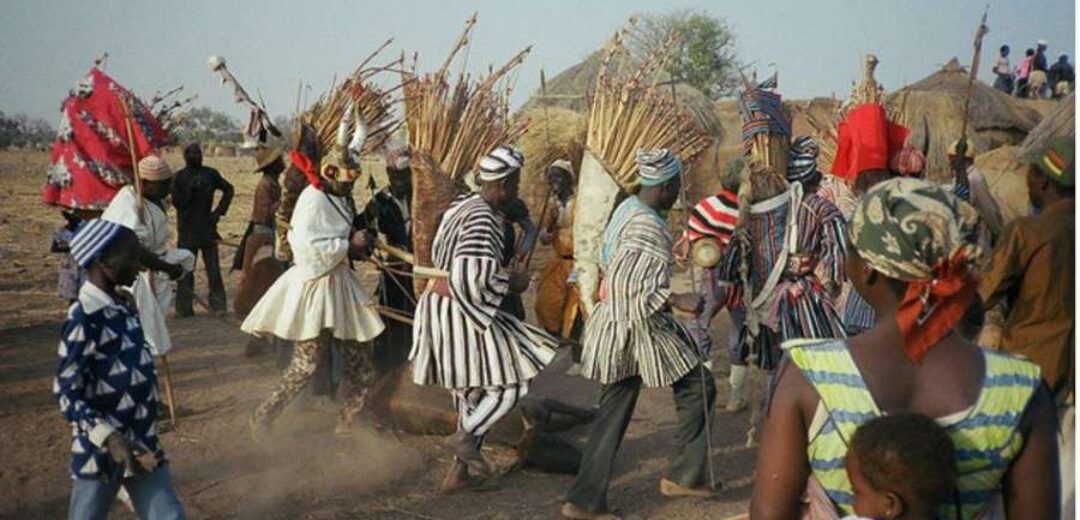
Ghana’s northern sector is home to dozens of distinct groups. The list includes Bimobas,Dagombas, Mamprusis, Gonjas, Dagaabas, Sissalas, Waalas, Frafras, Kusasis, Bimobas, Konkombas, Nanumbas, Talensis, Kassenas, Chokosis, Gurunes, Lobis, Fulanis, Tampulmas, Vaglas, and others.
Each group has its own language, history, customs, and traditions. Yet, the argument goes, years of vague self-identification have allowed outsiders to assume there is one language, one culture, and one way of life across the entire north.
Proponents say the vagueness has real consequences.
Some people outside the north genuinely believe everyone there speaks the same language. Others hold on to outdated images of mud houses, extreme hardship, or a single weather-defined lifestyle.
The piece calls these “dangerous stereotypes” that persist partly because northerners themselves fail to define who they are.
The contrast is made with southern Ghana’s ethnic groups. “I have never heard an Ashanti person introduce themselves as ‘a Southerner,’” the statement notes. “An Ewe person proudly says they are Ewe. A Ga person says they are Ga. A Fante person identifies as Fante. They are exact about who they are.”
The call reframes the issue away from tribalism. It’s about cultural accuracy, historical preservation, and dignity. Saying “I am Dagomba” or “I am Sissala” is described as recognition and truth, not division.
Students in universities and higher institutions are singled out as key messengers.
Campuses are often where many Ghanaians first meet people from northern tribes in person. The message urges students to use that moment to educate: state your tribe, your language, your culture.
“Every time you choose accuracy over vagueness, you break ignorance,” it says.
The statement also pushes back on the narrative that the north is monolithically underdeveloped. It highlights the region’s cultural richness and intellectual strength, pointing to professionals, scholars, innovators, leaders, entrepreneurs, and creatives who are building lives across the country daily.
It acknowledges that every part of Ghana faces developmental challenges, but argues that reducing millions of people to one inaccurate stereotype is ignorance that northerners must stop feeding.
The appeal isn’t a call to separate, but to specify.
Brothers and sisters from the north are urged to stop reducing themselves for the comfort of people unwilling to learn.
The closing line is direct: “The North is not a tribe. The North is a geographical location. Our tribes are our identities. And all those false notions and generalisations about Northern Ghana must stop.”
The conversation has struck a chord online, with many users sharing their specific ethnic backgrounds in response and explaining what those identities mean culturally.