
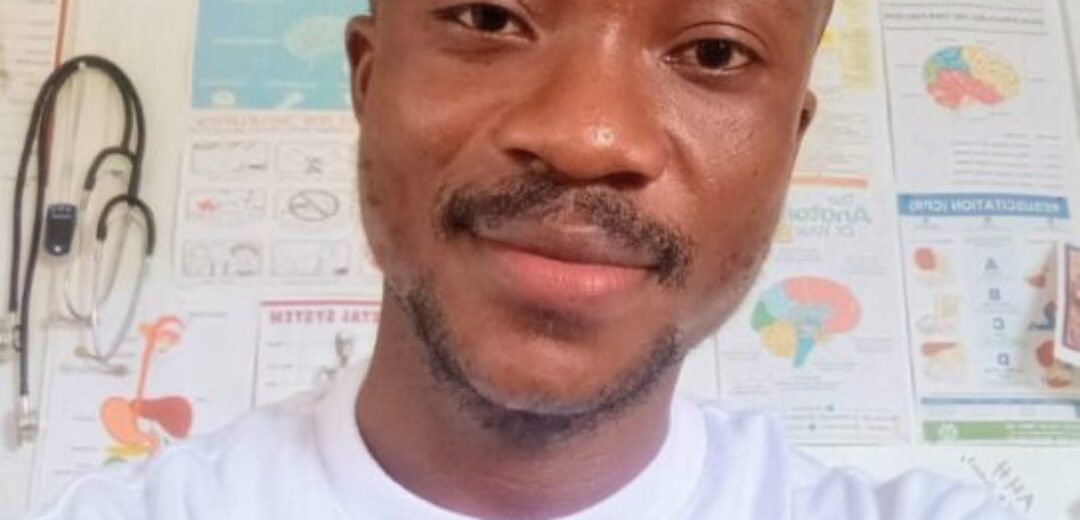
Mental Health Officer at Abofour Health Centre Takes Community Engagement to the Grassroots.
Abofour, Ashanti Region – Mandela Owusu Afriyie Mezack Mental Health Officer at Abofour Health Centre, says understanding community perceptions is key to improving mental health outcomes in the area.
Speaking on his outreach work, Mandela Owusu Afriyie Mezack explained that he regularly engages residents in their local communities to learn how they view mental health and mental illness.
The engagements, he said, focus on capturing local beliefs, identifying perceived causes of mental health challenges, and assessing community knowledge of preventive measures.
“I consistently look forward to engaging with individuals in their local communities to gain insight into their perceptions of mental health and mental illness, as well as their understanding of the primary causes and preventive measures,” Afriyie stated.
He noted that direct conversations at the community level help bridge gaps between clinical services and public understanding, reduce stigma, and inform more targeted education and intervention programs.
Mandela Owusu Afriyie Mezack approach aligns with Ghana’s broader push to decentralize mental health care and make services more accessible through community-based engagement.
At Abofour Health Centre, the strategy involves working closely with community leaders, opinion shapers, and families to create dialogue around mental wellness.
Health officials say such grassroots engagement is critical in the Ashanti Region, where misconceptions about mental illness often hinder early reporting and treatment.
By listening first, Afriyie says, health workers can tailor messages that resonate locally and encourage more people to seek help early.
The Abofour Health Centre continues to expand its mental health outreach as part of efforts to strengthen preventive care and promote mental wellbeing across the district.