
Ebola Virus Disease: Health Officials Urge Public to Stay Alert and Act Early
Accra/Ghana– Health authorities have issued a public alert on Ebola Virus Disease, warning that the highly infectious illness continues to affect lives in parts of Africa and requires immediate community vigilance.
Officials stress that early detection and quick medical attention remain the most effective tools to save lives and prevent wider transmission.
When symptoms are identified early and patients are taken to a health facility, survival rates improve and the risk of community spread drops significantly.
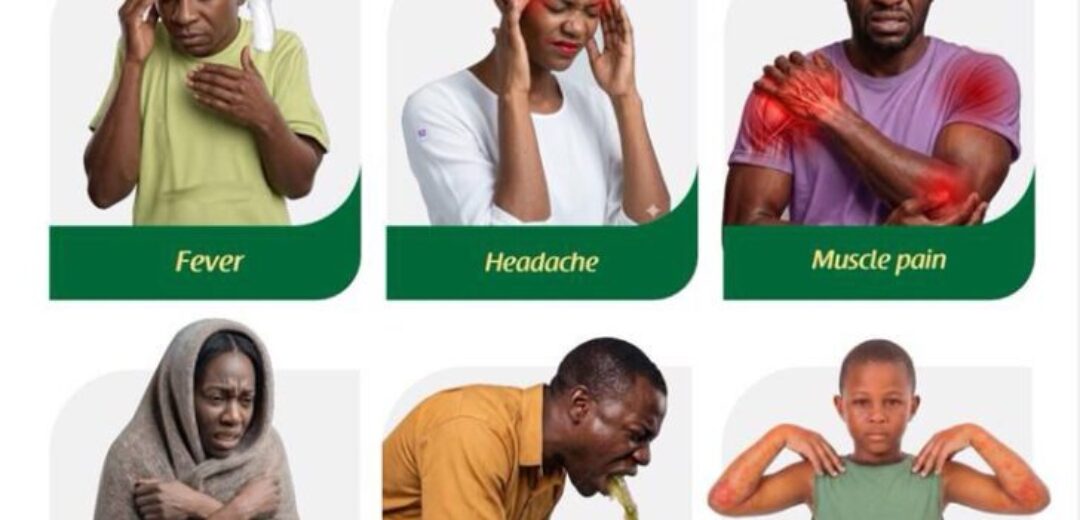
Key symptoms to watch for
Residents are advised to seek immediate medical care if they or someone nearby experiences:
– Sudden high fever and severe headache
– Muscle pain, fatigue, and general weakness
– Sore throat and loss of appetite
– Vomiting, diarrhea, and abdominal pain
– Unexplained bleeding or bruising
Health experts warn against home treatment or delays. Early-stage Ebola symptoms often overlap with malaria and typhoid, making professional diagnosis critical.
Protective measures for individuals and communities
Authorities recommend the following steps:
1. Avoid direct contact with blood, body fluids, and bodies of suspected or confirmed Ebola cases.
2. Maintain strict hygiene by washing hands regularly with soap and water or using alcohol-based sanitizer.
3. Report suspected cases to local health authorities immediately. Do not move or handle sick individuals yourself.
4. Follow official guidance from the Ministry of Health and the World Health Organization during any outbreak.
Officials note that Ebola spreads through direct contact with infected body fluids, not through airborne transmission.
This means that basic precautions, rapid reporting, and prompt isolation of cases are highly effective in breaking chains of transmission.