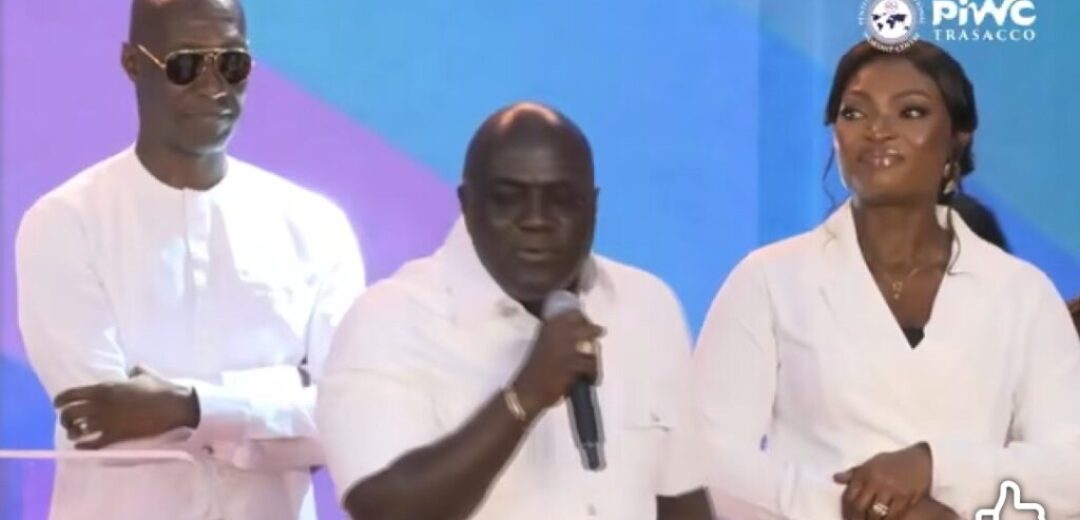
Chief of Staff’s Humble Plea at Trasacco Heals Rift Between Government and Church
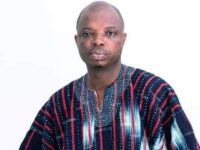
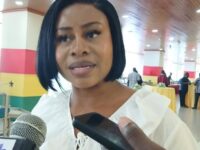
In a deeply emotional and unifying moment that has since captured national attention, Ghana’s Chief of Staff, Dr Julius Debrah, made a heartfelt appeal for forgiveness before the leadership and congregation of the Church of Pentecost, following controversial remarks made by the Chief Executive Officer of the Ghana Free Zones Authority, Dr Mary Awusi.
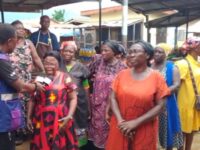
The solemn yet spirit-filled atmosphere at the Pentecost International Worship Centre Trasacco on Sunday, April 26, turned profoundly moving as Dr Julius Debrah, visibly touched, stood before congregants and church leadership to offer what many have described as one of the most sincere public apologies in recent political memory.
The tension traced back to earlier comments by the church’s leadership highlighting the pollution of vital water bodies, a matter that continues to threaten livelihoods and ecosystems across the country.
Dr Mary Awusi’s response during a media interview drew swift backlash from sections of the public who deemed it inappropriate and dismissive of the church leader’s concerns.
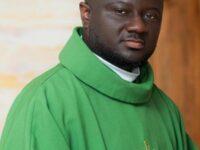
In the days that followed, calls for an apology intensified, placing the government under scrutiny. Yet, in what can only be described as a moment of grace meeting humility, Apostle Nyamekye chose the path of peace.
“As for this lady, she has made me more popular,” he remarked lightly, drawing laughter and easing tensions. “People like that I don’t think about… let’s forget about this issue.”
His response, measured and forgiving, set the tone for reconciliation and underscored the values of patience and understanding.
Dr Julius Debrah further emphasized that many government officials are proud members of the Church of Pentecost, reinforcing the deep ties between governance and faith communities in Ghana.
His words were not just an apology, but a reaffirmation of respect for religious leadership and moral authority.
In the broader national conversation, this episode transcends the initial controversy. It has become a defining example of how leadership, when exercised with humility and sincerity, can heal divisions and inspire collective reflection.
For many, Dr Julius Debrah has, through this act, reinforced his image not just as a political figure, but as a bridge-builder, someone willing to bow when necessary to preserve unity and uphold dignity.
As Ghana continues to grapple with pressing issues such as illegal mining and environmental degradation, this moment serves as a reminder: beyond policy and power, it is humility, respect, and dialogue that ultimately sustain a nation.
And on that Sunday morning at Trasacco, Ghana witnessed just that, a leader who chose to kneel, so the nation could stand united.
Source: Dominic Duut