Asuboi Residents Ask: “Are We Part of Ghana?” As Basic Services Collapse
For 14 years, Asuboi has watched development pass it by. Light poles erected in 2012 still stand without wires.
The only pipe burst years ago. Roads become death traps when it rains. Residents now ask one question in town meetings: “If we have no light, no water, no roads, are we really part of Ghana?”
Electricity poles were installed in Asuboi in 2012 under a rural electrification project. No cables were ever pulled. At night the community goes dark.
Pupils study under kerosene lamps. Cold stores and barbershops close by 7pm because generators are too expensive. “The poles mock us,” a resident said. “They are here, but the light is not.”
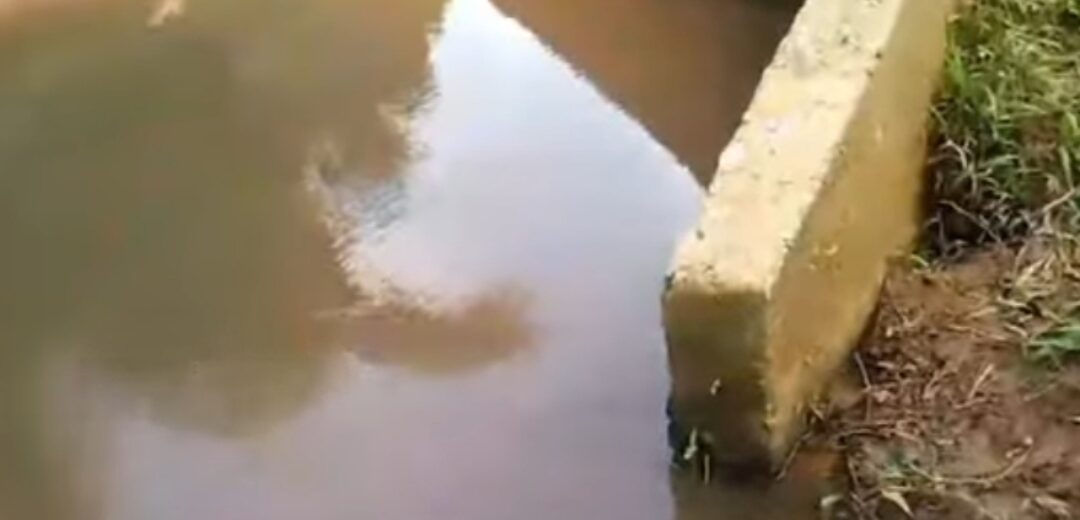
Asuboi’s sole mechanized borehole failed and was never repaired. With no alternative, families walk kilometers to streams and hand-dug wells.
Those same sources are where cattle, goats and sheep drink daily. Residents filter the water with cloth and boil it, but stomach problems and skin infections are constant. “We treat it and pray before drinking. What else can we do?” another resident asked.
The road linking Asuboi to Offinso town is untarred and deeply rutted. During the rainy season, vehicles spend hours stuck in mud. Yam, plantain and vegetables rot before reaching market.
Transport fares jump when drivers risk the road. Farmers say they lose income every season, yet taxes and levies are still collected. “Offinso South is suffering to feed its people,”.
Residents say the pain is not partisan. Since 2012, both NPP and NDC governments have started projects in Asuboi and left them uncompleted. Campaign promises come every election year.
After voting, nothing changes. “We have voted for both parties. Both have failed Asuboi,” residents stated. The frustration has grown into a demand for accountability, not sympathy.
Community leaders say the solutions are clear and overdue:
1. Electricity: Connect the existing poles to the national grid immediately.
2. Water: Repair the broken pipe or drill new mechanized boreholes so families stop sharing water with animals.
3. Roads: Grade and reshape the Asuboi-Offinso road, then tar it before the next rainy season.
They argue these are not political favors. Article 35 of Ghana’s 1992 Constitution promises equal access to opportunities and development for all citizens.
For Asuboi, 14 years is long enough to wait. The poles are standing. The need is urgent. The question remains: Is Asuboi part of Ghana?