Salaga South MP Raises Alarm Over Rural Maternal Healthcare Crisis, Calls for Incentives to Attract Doctors
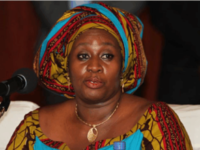
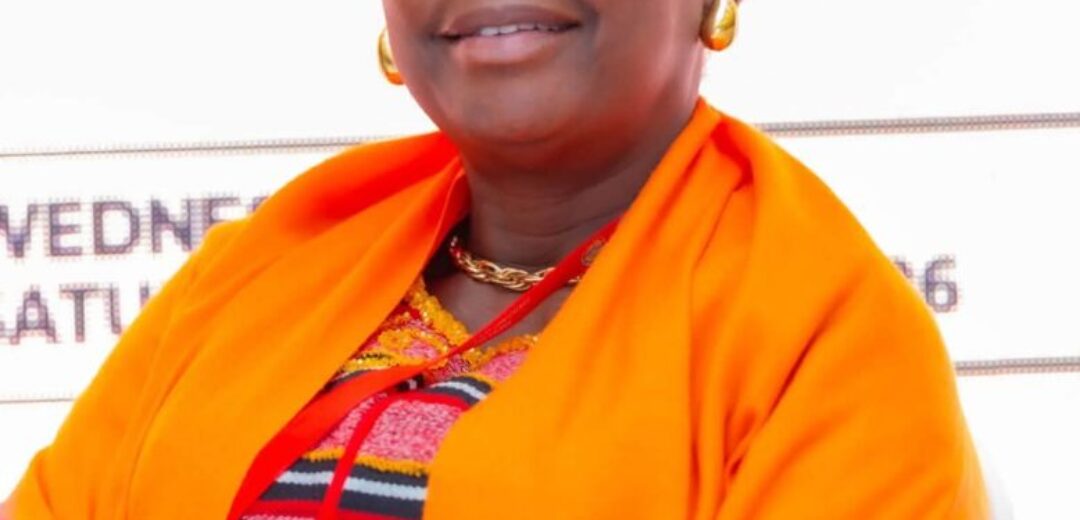
The Member of Parliament for Salaga South, Hajia Zuwera Mohammed Ibrahimah, has called on government and relevant authorities to urgently address the challenges confronting rural healthcare delivery, particularly emergency maternal health services in underserved communities.
Speaking during a parliamentary debate, the lawmaker highlighted the difficulties faced by pregnant women in remote areas who often lack access to nearby healthcare facilities and skilled medical personnel. Drawing attention to the situation in her constituency, Hajia Ibrahimah revealed that expectant mothers in communities such as Sofe are forced to undertake dangerous journeys in search of professional medical care during labor.
“If someone goes into labor at Sofe, they have to cross the White Volta on a canoe, regardless of the time of day or night, to Yeji, which is the nearest hospital where they can receive professional care,” she stated.
While commending the District Assembly Common Fund guidelines that require the construction of at least two healthcare centers in every district annually, the MP stressed that infrastructure development alone would not solve the healthcare challenges facing rural communities.
She noted that the shortage of qualified doctors, specialists, and other healthcare professionals in rural areas continues to expose women to serious maternal health complications, including Vesicovaginal Fistula (VVF), commonly known as Obstetric Fistula.
According to Hajia Ibrahimah, many women in remote communities rely on Traditional Birth Attendants (TBAs) during childbirth due to the absence of skilled healthcare providers.
She explained that while TBAs play an important role in their communities, many lack the specialized training required to identify life-threatening complications that demand immediate medical intervention.
The MP expressed concern that delayed referrals and prolonged labor management by untrained attendants can increase the risk of severe birth injuries and maternal complications that could otherwise be prevented through timely Caesarean sections and professional obstetric care.
She further indicated that some traditional practices employed during difficult deliveries may worsen the condition of mothers and newborns when expert medical supervision is unavailable.
Hajia Ibrahimah therefore called for a comprehensive approach to improving rural healthcare, urging government to complement the construction of health facilities with targeted incentive packages to attract and retain doctors, nurses, specialists, and other healthcare professionals in deprived communities.
She emphasized that equitable access to quality healthcare is essential to reducing maternal mortality and ensuring that women in rural Ghana receive the same standard of care available in urban centers.
The Salaga South MP concluded by urging policymakers to prioritize investments in both healthcare infrastructure and human resources to improve maternal health outcomes and strengthen healthcare delivery across the country.