
Gov’t Pumps $1 Billion Into Local Drug Production To End Ghana’s Dependence On Imported Medicines
Government has announced a bold plan to make Ghana produce most of its own essential medicines locally by 2030, in a move aimed at ending the country’s heavy dependence on imported drugs.
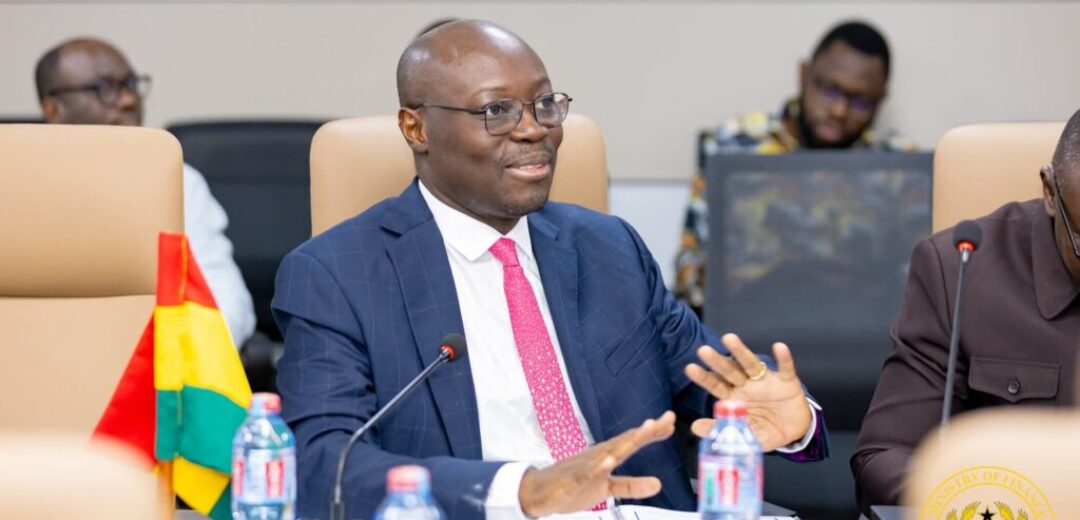
Presenting the 2027 Budget Statement and Economic Policy to Parliament on Thursday, November 12, 2026, Finance Minister Dr. Cassiel Ato Forson said Ghana is targeting local production of between 60 and 80 per cent of its essential medicine requirements by 2030. 89ee
According to the Minister, Ghana currently imports between 70 and 75 per cent of its medicine requirements, at an annual cost of approximately US$500 million. 89ee
To reverse the trend, government will invest US$1 billion in a Pharmaceutical and Biomanufacturing Compact under its New Economy agenda.
Local Medicines To Get First Priority
As part of the plan, government is planning to amend public procurement laws to ensure that state institutions prioritise medicines manufactured in Ghana when making purchases with public funds. 89ee
All suppliers will be required to obtain registration from the Food and Drugs Authority (FDA) and comply with Good Manufacturing Practice standards.
Government will also support local pharmaceutical manufacturers to secure World Health Organisation (WHO) prequalification to enable their products to compete in international and regional markets.
New Hubs And 20,000 Jobs
Under the initiative, Pharmaceutical and Biomanufacturing Hubs will be established in the Eastern and Central Regions, with construction expected to begin in 2027 through a state-owned special purpose vehicle.
The initiative is also expected to generate approximately 20,000 direct and indirect jobs while conserving foreign exchange and positioning Ghana as a pharmaceutical manufacturing and export hub for West Africa.
“The 2030 destination is to manufacture 60 to 80 per cent of Ghana’s essential medicine needs locally,” Dr. Forson told Parliament.