
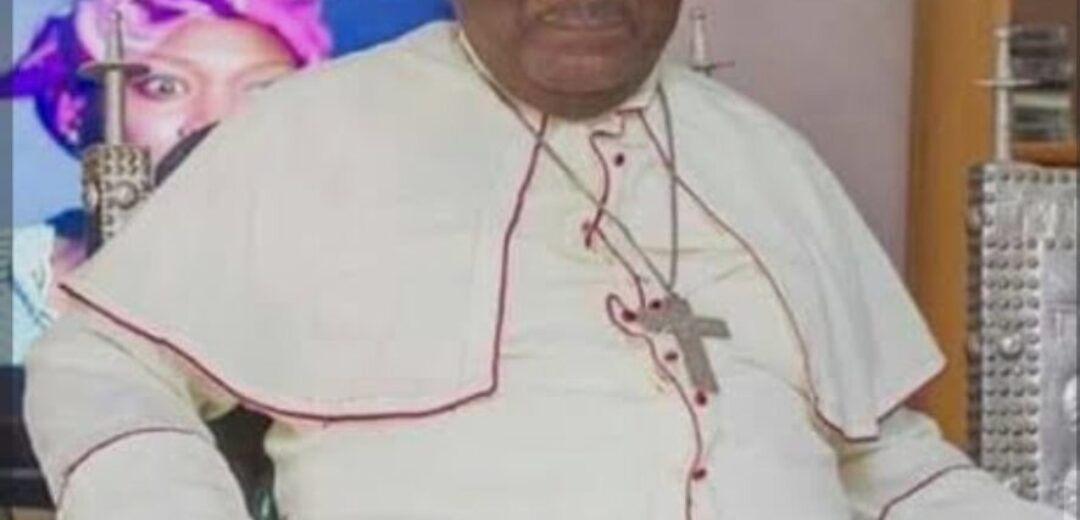
Ghana’s Archbishop Who Redefined What African Christianity Looks Like.
Most Rev. Peter Kwasi Sarpong – The Man Who Redefined What African Christianity Looks Like
The story of Peter Kwasi Sarpong, one of Ghana’s most respected religious leaders, scholars, and cultural thinkers.
Born in 1933 at Maase-Offinso in the Ashanti Region, young Sarpong grew up in a simple rural home filled with both traditional African beliefs and Christianity.
His father was a traditional priest, while his mother held strong Christian values. From an early age, he experienced both worlds, something that later shaped his life and mission.
At just 10 years old, he felt a strong calling to become a priest. Despite losing siblings at a young age and facing many challenges, he remained focused on his spiritual journey.
His education journey was outstanding. He studied theology in Ghana and later went to Rome, where he earned both a Licentiate and Doctorate in Sacred Theology.
But he didn’t stop there. He went further to study Social Anthropology at University of Oxford, driven by his belief that African culture and Christianity could live together in harmony.
In 1959, he was ordained as a Catholic priest. By 1969, at just 36 years old, he became Bishop of Kumasi. Later, when Kumasi was elevated to an archdiocese, he became its first Metropolitan Archbishop.
But what truly made him special was his vision.He believed the Catholic Church in Africa needed to reflect African identity. So he introduced what is called inculturation bringing African culture into worship.
He allowed traditional symbols like stools, drums, Adowa and Kete music, and even respectful cultural practices like libation to be part of church life and national ceremonies.
Many people once misunderstood these practices, but he defended them strongly as part of African spirituality and identity.
Beyond the church, he became a great writer and scholar, producing hundreds of books and articles on religion, culture, and African identity.
Over the years, he received many honors, including national awards and international recognition for his contribution to both church and society.
Even after retirement, he continued to share wisdom and guide leaders in both religious and national matters.
Today, Archbishop Sarpong is seen not just as a religious leader, but as a bridge between African tradition and Christianity.A scholar. A spiritual leader. A cultural voice.