Ghana’s Christian Mission Schools Stand Firm on Religious Identity.
Ghana’s Christian mission schools have long been a cornerstone of the country’s education system, renowned for their academic excellence, discipline, and moral formation
Recently, however, these institutions have found themselves at the center of a heated debate regarding the role of religion in schools.
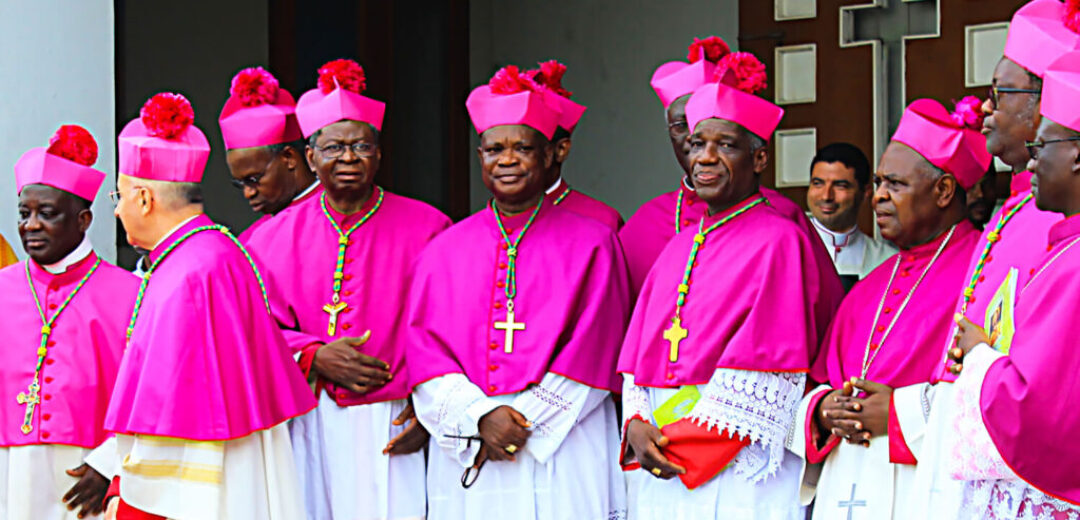
The Ghana Catholic Bishops’ Conference and the Christian Council of Ghana have released a joint statement addressing the question of whether non-Christian students, particularly Muslims, should be allowed to fully practice their religion within these schools.
At the heart of this issue lies the question of identity and purpose.
The Christian leaders argue that their schools were founded on Christian principles and values, and that these elements are integral to the education they provide.
They maintain that allowing multiple religious practices within their schools could potentially dilute the Christian ethos and create administrative challenges.
The proprietors emphasize that their stance is not rooted in hostility towards other faiths but rather in a desire to preserve the integrity of their institutions.
They point out that Ghana offers many alternative educational options, including public schools and private institutions, ensuring that the rights of all students are respected.
The statement highlights the importance of freedom of choice, noting that no student is compelled to attend a Christian mission school.
Parents choose these institutions freely, often drawn by their reputation for academic excellence and moral formation.
The Christian leaders argue that it is unreasonable to demand that they change their core character to accommodate the religious preferences of some students.
The Memorandum of Understanding adopted by Government-Assisted and Private Mission Schools in April 2024 is also cited as a guiding document.
This MoU affirms the partnership between the government and mission bodies, recognizing the vital role of missions in education.
Ultimately, the Ghana Catholic Bishops’ Conference and the Christian Council of Ghana are resolute in their position.
They believe that maintaining the Christian identity and ethos of their schools is essential to their mission and purpose.
welcoming students from diverse backgrounds while upholding their own values and practices, they aim to provide a unique and holistic education that shapes not only the minds but also the characters of their students.
Story written by Dominic Duut